From Genesis to Revelation: The One Story – The Golden Thread that Explains Everything – Part 27
By Andre Eksteen
The Light had walked among people, healed the sick, driven out demons, and commanded the sea. But the war was not yet over; it had only changed terrain. It now began to move from the body to the soul, from healing to obedience, from miracles to the cross.
The enemy, defeated in the sea and in the sick, did not disappear — he changed strategy. The Book of the Twelve Patriarchs says: “When the Light prevails, the spirits of deception will find their way through the hearts of men.” That is exactly what happened here. The powers of the air could not stop Him physically, so they began to use people — not pagans, but the religious.
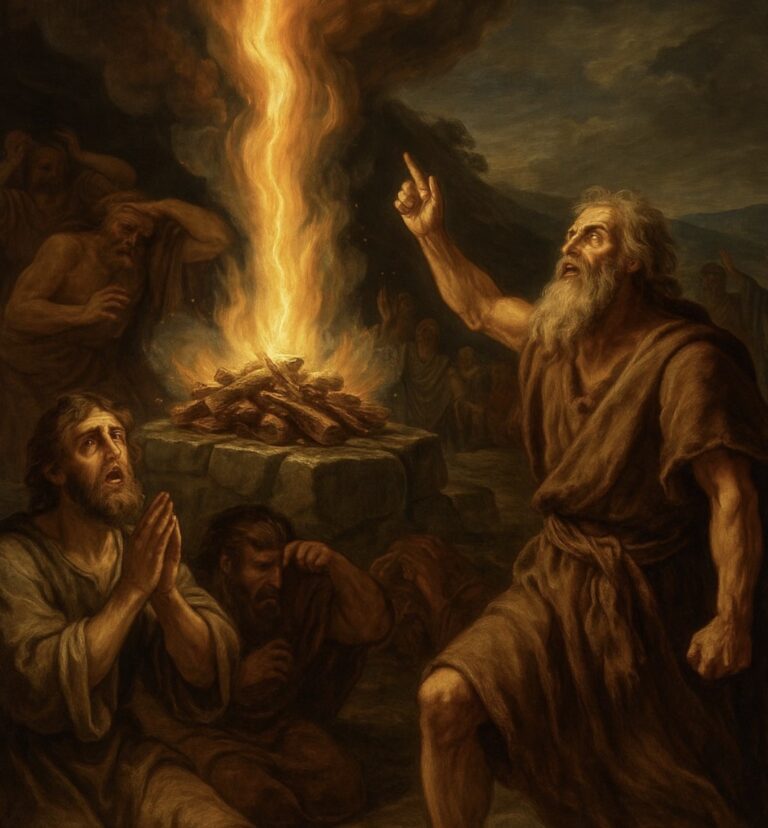
The Pharisees watched Him closely. They could not deny His miracles, so they questioned His intent. “He casts out demons by Beelzebul,” they said. (Matthew 12:24) This was not merely an insult; it was a formal accusation of sorcery — a crime punishable by death. They wanted to declare the Light as darkness, so that the world would no longer know what was right. And that is exactly what is happening again today.
Beelzebul — the “lord of the flies” or “lord of dead spirits” — was originally the Philistine idol of Ekron (2 Kings 1:2). Later the Jews used this name for the highest of the demons, the commander of the fallen spirits under Satan himself. To accuse someone of working by Beelzebul was to declare him an ally of hell. According to Leviticus 20:27, anyone who consorted with spirits or practised sorcery was to be put to death.
The Pharisees knew exactly what they were saying. They wanted to have the Creator Himself crucified by declaring Him a sorcerer — accusing the One who casts out demons of being one Himself. The irony is so great that even heaven seemed to fall silent. The Light had come, and the blind called Him darkness.
They said: “If He is from God, let Him show us a sign.” And He answered: “An evil and adulterous generation seeks after a sign.” (Matthew 12:39) He did not merely accuse them of unbelief — He exposed their spiritual adultery.
Earlier in this series we showed what adultery means in God’s eyes: unfaithfulness to His Spirit. It is not merely a sexual sin, but a spiritual breaking of covenant. When a person who belongs to God binds himself to the world or to the spirits of the air, Scripture calls it adultery.
That is exactly what He is saying here. “Adulterous,” because they worship God with their lips, but their hearts belong to the enemy. They wear the garment of religion, but their spiritual loyalty lies with Beelzebul — the spirit that actually controls them. They bring sacrifices in the temple, but their worship is empty, because they serve the powers of the world and call it faith.
The prophets had pointed this out long before. Hosea had to marry a prostitute to show Israel’s spiritual unfaithfulness. Isaiah said: “You have made a covenant with death.” (Isaiah 28:15) Jeremiah cried out: “You have played the harlot with many lovers.” (Jeremiah 3:1) They were not speaking about flesh, but about people uniting with the world and its spirits and calling it worship.
Jesus says to them: “You speak of the God of Abraham, but you live like the children of Hermon.” He refers directly to the ancient spirits of Mount Hermon — the fallen beings from the time of Enoch who taught mankind how to rebel against God. It is a severe accusation. He is saying, in essence: you are doing again what they did. You call it faith, but it is adultery with the enemy.
And today it is exactly the same. The modern church does it again. They preach about faith, but live in covenant with the world. They seek signs and spectacle, ask for miracles and prosperity, but refuse to take up the cross. They call on the name of Jesus, but their hearts are bound to money, status, and comfort. They speak about the Holy Spirit, but live full of worldly spirits — pride, greed, and fear.
He calls them adulterous because they have entered the same covenant as their forefathers: not with God, but with the powers that hate Him. They call Him Lord, but serve themselves. And therefore He says: “No sign will be given to you except the sign of Jonah” — three days of silence, three days of darkness, three days in which every person must again decide on which side he stands.
From that moment the war changed. The spiritual battle shifted from healing to obedience — from the body to the cross. The Pharisees wanted signs, but He showed them obedience. The world wanted power, but He showed them suffering. For the greatest victory does not lie in display, but in submission to the will of the Father.
When He began to speak about His death, even His disciples did not understand. Peter, with good intentions, said: “This shall never happen to You.” And Jesus turned to him and said: “Get behind Me, Satan.” (Matthew 16:23) Not because Peter was evil, but because he was unknowingly advancing the enemy’s plan — to stop the cross. The devil could not defeat the Son in the wilderness, so now he tried through His friends.
Every time Jesus spoke about His blood, the powers of the air began to tremble. They saw what was coming. They remembered every sacrifice from Abel to Moses, every lamb, every altar, every drop of blood that pointed forward to this moment. They knew what it meant. Blood is the language of war in the spirit. The Book of Enoch says: “The earth cried out over the blood of the innocent.” (Enoch 7:5) Now that cry would be answered.
Satan began to work through Judas. Luke says: “Then Satan entered Judas.” (Luke 22:3) Note this: not a demon, but Satan himself. This was not temptation; it was attack. He did not send one of his subordinates — he launched the assault himself. He wanted to destroy the Light through the cross, without understanding that the cross was the trap set for him.
The ancient writings call it “the secret of the Lamb”. The Book of Heavenly Wisdom says: “The Holy One will offer Himself, so that death will consume itself.” And that is exactly what would happen. The cross was not a tragedy; it was a snare.
When He knelt in Gethsemane, the earth again felt the breath of its Creator — this time in suffering. “My soul is exceedingly sorrowful, even to death,” He said. (Matthew 26:38) His sweat became like blood. The earth, which since Cain’s murder had drunk the blood of men, now received the blood of the Son of God — and it began to tremble.
It is no coincidence that this happened again in a garden. The war that began in Eden ends in Gethsemane. In the first garden, man said “yes” to the serpent; in this garden, the Son says “no” on behalf of humanity. “Not My will, but Yours be done.” (Luke 22:42) And with that sentence He broke the covenant that had kept humanity in exile.
The spirits gathered — Judas, the priests, Pilate, the crowd — all controlled by the same power that spoke in Eden. “Crucify Him!” was not merely the cry of a crowd; it was the voice of fallen beings who had seen their end.
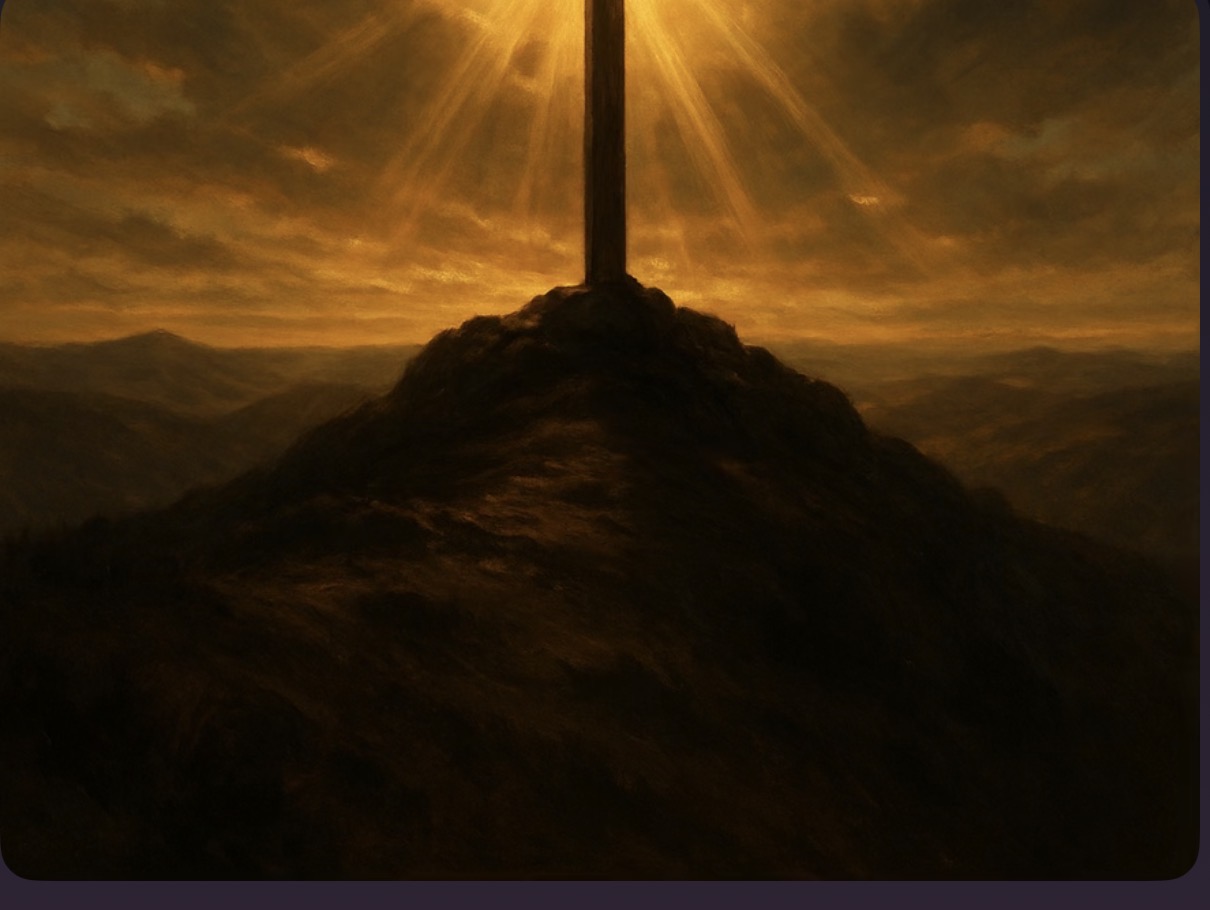
And when the nail went through flesh, when the earth shook, when the sun darkened, heaven did not weep — it commanded. The Seed of the woman crushed the head of the serpent. Not through force, but through obedience. Not through fire, but through blood.
The writings say: “When the Holy of Holies gave up His breath, the throne-princes cast down their thrones.” (Apocalypse of Abraham) The veil tore — not merely as a sign, but as a declaration. The power of separation between God and man was broken. Death experienced its first defeat.
When He said: “It is finished,” the earth held its breath. The war was not yet over, but the outcome was fixed. The blood had fallen, and the law of sin and death was cancelled. Satan signed his own death warrant with the nail he thought would bring victory.
The modern church proclaims this as if it were a tragedy — as if Jesus was killed by men. They do not understand: no one took His life; He gave it. The cross was not defeat; it was strategy. Heaven deceived hell into opening the door of its own prison.
That is why the blood still has power today. Not as a symbol, but as a weapon. “Behold,” He says, “I give you authority to trample on serpents and scorpions and over all the power of the enemy.” (Luke 10:19) He did not only bring reconciliation — He restored authority.
The war did not end at the cross; it only changed direction. When He descended to the realm of the dead, He broke open the bars. Peter says: “He went and preached to the spirits in prison.” (1 Peter 3:19) And when He rose, the earth shook again — not over a stone, but over a fallen kingdom.
The serpent who caused humanity to fall has now himself fallen from heaven. The powers of the air have been disarmed, and the people who were captive have received keys.
In the next part, Part 28, we will see how the resurrection itself not only defeated death, but renewed creation — how the Light that rose opened the way for the outpouring of the Spirit, and how the war is now continued through His body, the Church. For the cross was the victory — but Pentecost was the takeover.